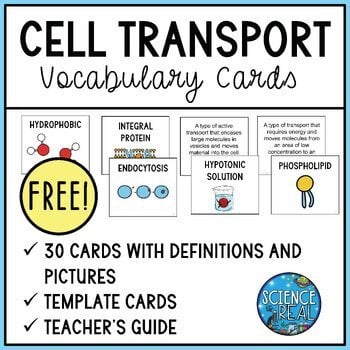

Vocabulary is key to understanding science. We all know how important it is for students to get a handle on scientific terms so they can tackle more complex ideas. That’s where ChatGPT comes in! This handy tool helps both teachers and students boost science vocabulary learning in the classroom. Plus, it makes learning science vocabulary more interactive, personalized, and fun—while also saving you time!
#1 Building Custom Vocabulary Lists in ChatGPT

Building good science vocabulary lists is a must for teaching science, and ChatGPT makes it quicker and easier for teachers. Whether you’re starting a new unit or prepping for an exam, ChatGPT can help you put together detailed vocabulary lists with clear definitions that fit your students’ learning level in seconds! Here’s how it works:
- Generate Topic-Specific Vocabulary
Ask ChatGPT to create a list of essential terms for any science topic, like ecosystems or genetics, ensuring you cover key concepts. - Provide Clear Definitions
ChatGPT can generate student-friendly definitions for each term, making complex scientific concepts easier for students to understand. - Differentiate for Learning Levels
You can customize vocabulary lists for various learning levels by asking ChatGPT for simplified or advanced definitions based on your students’ needs. - Save Time on Prep
With just a few prompts, you can quickly create comprehensive vocabulary lists, freeing up time for other lesson planning. - Expand with Related Terms
ChatGPT can also suggest related terms, enriching your vocabulary lists and providing students with a more complete understanding of the unit.
ChatGPT takes the hassle out of creating science vocabulary lists, making it quicker and easier for you to put together key terms, so that you can focus more on preparing students effectively and making sure they’re ready to tackle the material.
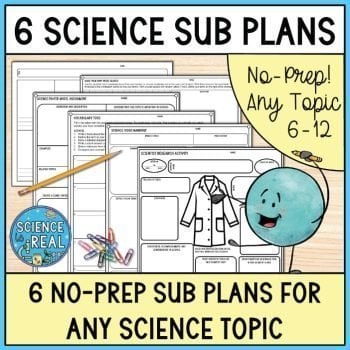
Need a science vocabulary sub plan that can be used with any science vocabulary? Generate and post a list of vocabulary from ChatGPT and leave these with your sub for a meaningful activities while you’re out.
Any science Vocabulary, any topic, Ready at ANytime
- Vocabulary Toss Game
- Frayer Models with a Twist
- DIY Word Search and Definitions
- Comic Strips
- Video Handouts for Any Video
- Scientist Research One-Pager
Learn more about these activities on this blog post here!
#2 Simplifying Definitions for Deeper Understanding

A lot of scientific terms can be tricky and overwhelming for students to grasp. ChatGPT can break things down with simple, student-friendly definitions that make these terms easier to understand.
Example for Students:
- A student struggling with the concept of photosynthesis can type:
- “What is photosynthesis in simple terms?”
- ChatGPT will respond with a clear definition, such as:
- “Photosynthesis is the process by which plants use sunlight to make food from carbon dioxide and water.”
You can also use this feature to provide differentiated explanations of science vocabulary for students at different learning levels.
#3 Using CHATGPT TO CREATE Science Vocabulary Flashcards

Flashcards are a tried-and-true method, but what if your students could take learning into their own hands and create customized flashcards using AI tools like ChatGPT?
I’d like to share with you my favorite way to assign flashcards to my students.
1. Give them a list of science vocabulary terms for your upcoming unit after the last unit’s assessment. I typically stick to just 10-15 terms and post them on our LMS and white board for students to take a picture of. I give students about a week to complete the cards and have them work on them or practice using them during any downtime in our classroom.
2. Assign the flashcards. I have students make one card per term. I do prefer the old-fashioned hand-written index cards, but you may decide to use other digital platforms, such as Quizlet or Canva, for students to create their cards in. Here’s how I structure my flashcard assignment:
- Side 1 of Card (front): written term and diagram or picture of term. Students can draw copies of diagrams or images from online sources or textbooks or use other AI to generate images of the term.
- Side 2 of Card (back): definition and three facts about the term or related to the term.
3. Using Chat GPT: Students can use ChatGPT to generate the definition, facts about the term, a brief history of the term, or how it’s used in real-world scientific applications. Students might input:
- “What is mitochondria? Please provide a definition and three key facts.”
- ChatGPT will return:
- “Mitochondria are the cell’s powerhouses, producing energy.
- Fact 1: Mitochondria have their own DNA.
- Fact 2: They likely evolved from bacteria through endosymbiosis.
- Fact 3: They are abundant in cells that require a lot of energy, like muscle cells.”
This allows students to create more engaging and informative flashcards, encouraging deeper learning.
#4 Learning Word Origins (Etymology)
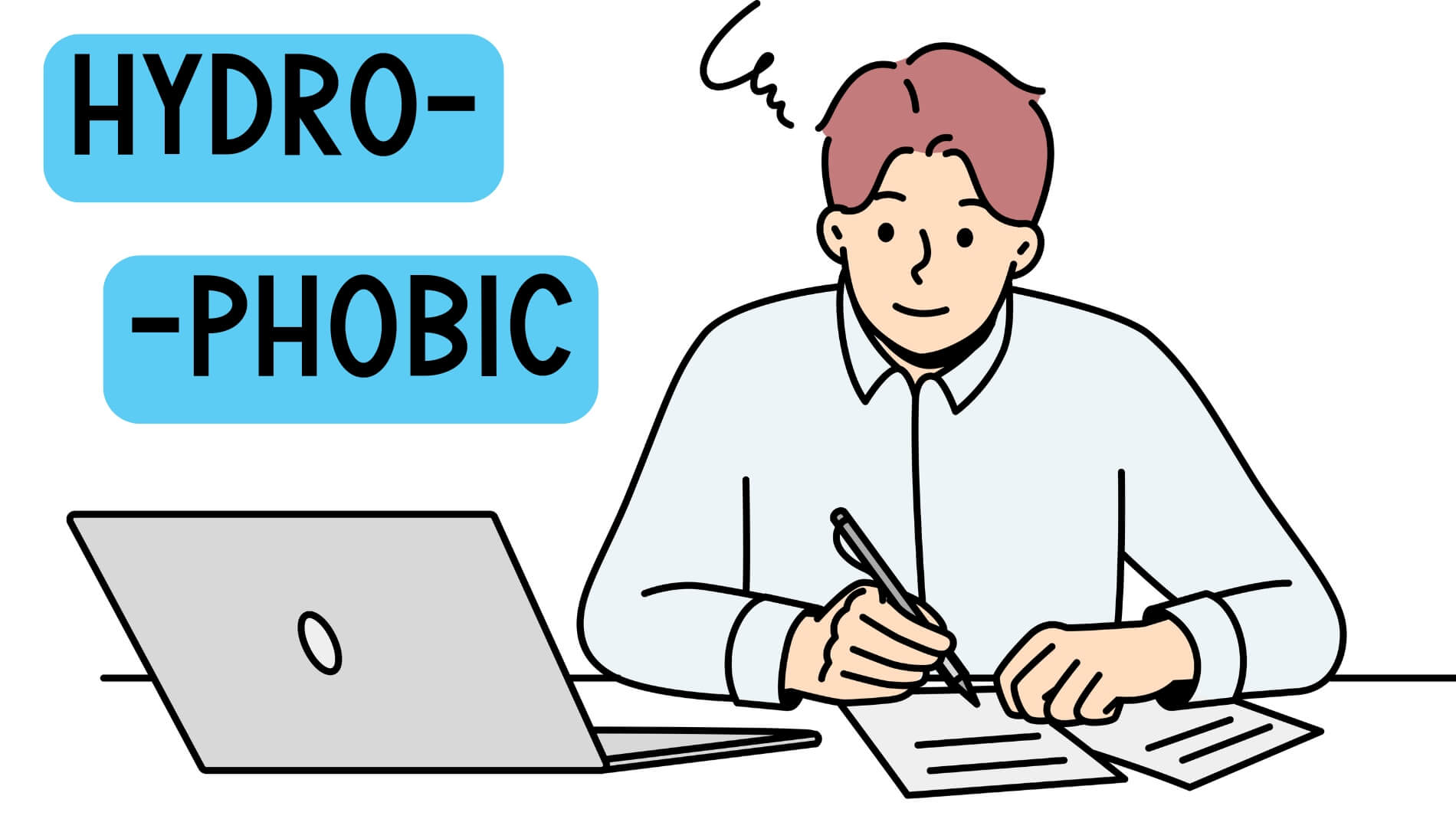
Understanding the roots of scientific terms can really help students break down and make sense of unfamiliar words. ChatGPT can easily explain the etymology, giving students a better idea of how prefixes, suffixes, and root words come together to create meaning. This helps students not only understand individual terms but also gives them tools to figure out new science vocabulary on their own.
Example for Students:
- A student could ask ChatGPT:
- “What is the origin of the word ‘ecosystem’?”
- ChatGPT would respond:
- “The word ‘ecosystem’ comes from the Greek word ‘oikos,’ meaning ‘house,’ and the Latin ‘systema,’ meaning ‘organized whole.’ It describes a community of living organisms interacting with their environment.”
Teaching students about word roots gives them handy tools to figure out new scientific terms they might come across later. When they understand common prefixes, suffixes, and roots, it becomes easier for them to break down unfamiliar words on their own. This boosts their confidence and helps them tackle tricky vocabulary, not just in science but in other subjects too.
#5 Creating Analogies and Metaphors with ChatGPT

Scientific terms can be challenging for students to grasp on their own, but analogies and metaphors help make complex ideas more relatable. ChatGPT is a great tool for generating these comparisons, simplifying abstract concepts by linking them to familiar experiences.
Why Analogies Work in Science:
Analogies bridge the gap between new concepts and everyday understanding. For instance, comparing an enzyme to a lock and key helps students visualize how enzymes function in the body. This approach makes scientific terms more concrete and memorable.
Using ChatGPT for Analogies:
Students can ask ChatGPT to create analogies for difficult science vocabulary. For example:
- “What is a metaphor for an enzyme?”
- ChatGPT might respond:
- “An enzyme is like a lock, and the substrate is the key that fits into the lock to start a reaction.”
You can also use ChatGPT to generate analogies ahead of lessons, making explanations clearer and more engaging.
#6 Quizzing and Review Activities with ChatGPT

Interactive quizzes are a great way to boost science vocabulary, and ChatGPT makes it easy to create fun and engaging ones. Just type in a term or topic, and ChatGPT can generate multiple-choice questions, fill-in-the-blank exercises, or matching games. You can use these quizzes for self-study, peer review, or group activities, making vocabulary practice more fun and effective.
How Students Can Use ChatGPT:
Students can ask ChatGPT to quiz them on specific terms. ChatGPT will instantly generate questions, helping students test their knowledge and receive immediate feedback, making it ideal for independent study.
How Teachers Can Use ChatGPT:
Teachers can quickly create quiz materials by asking ChatGPT to generate a variety of questions. These quizzes can be used as in-class activities, exit tickets, or review games, saving valuable prep time. You can also use AI-generated quiz questions to build a fun Kahoot, Quizziz, or other interactive online games.
Example Quiz:
“Which of the following terms describes the process where plants convert light energy into chemical energy?”
a) Respiration
b) Photosynthesis
c) Digestion
d) Fermentation
Other Formats: Fill-in-the-Blank and Word Matching
ChatGPT can also create fill-in-the-blank or matching exercises. For example:
“_________ is the process by which plants use sunlight to produce energy.”
Answer: Photosynthesis.
Using ChatGPT for quizzing makes reviewing science vocabulary more interactive, efficient, and enjoyable for both students and teachers.
Final Thoughts
ChatGPT is a great tool for boosting science vocabulary retention in your class. Whether you’re creating custom flashcards and quizzes or creating science vocabulary lists and analogies, you and your students can use this AI to really grasp science terms. Adding ChatGPT to your lessons makes learning science vocabulary more interactive, personalized, and effective—helping your students succeed in science while saving you time!
You can check out some of my favorite science vocabulary activities in my shop or on TPT!
-
 Cell Membrane Color By Number Worksheets$4.99
 -
 Natural Selection in Peppered Moths Camouflage Lab$4.99
 -
Product on sale
 Biology Reading Comprehensions Growing Discount BundleOriginal price was: $194.62.$144.63Current price is: $144.63.