
Starting off the school year with lab safety and equipment sets the tone for the entire academic year. Safety isn’t just about avoiding accidents; it’s about creating a learning environment where students can explore, experiment, and engage in scientific discovery with confidence. To make sure your lab is running smoothly from the first day, here are some essential steps you can take to ensure safety, organization, and productivity, including a checklist system that helps track crucial details.
Start with A SCIENCE Lab Safety CONTRACT
Assign and review this lab safety agreement before sending it home with your students to collect parent/guardian signatures, emergency contact information, and if the student has any allergies or medical concerns. Keep this science lab safety contract handy in a file folder for quick reference for when you need it.
This Science Lab Safety Contract is an essential tool for any science teacher looking to create a safe, organized, and accountable lab environment from day one.
Includes:
- Name / Student number
- Allergies
- Lab safety rules
- Place for student signature
- Place for parent signature and contact information.

Familiarize Students with Safety Equipment
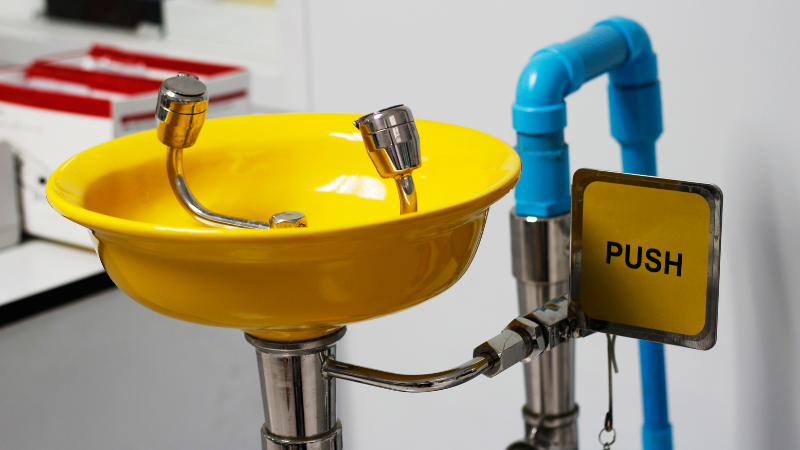
Introducing science lab safety and lab equipment to students at the beginning of the year sets the foundation for a safe and efficient classroom. Start by familiarizing students with the essential safety gear: goggles, aprons, gloves, fire extinguishers, eyewash stations, and first aid kits. Make sure they understand when and why each piece of equipment is used.
A lab safety scavenger hunt (see below) is an engaging way to reinforce this information. Start by creating a list of essential lab safety equipment, such as goggles, aprons, fire extinguishers, and eyewash stations, along with safety procedures students need to know.
Lab Safety Scavenger Hunt and Video Handout
This Lab Safety video handout compliments the video and keeps students engaged! It even includes a scavenger hunt!
- Safety Equipment Scavenger Hunt
- Video Questions
- Virtual Lab Safety Interactive Activity

Teach Students How to Properly use lab equipment
Teaching students how to properly use lab equipment is crucial for ensuring both safety and effective learning in the science classroom. Here are a few strategies to help make the process smooth and engaging:
1. Introduce Equipment. Introduce the the science lab equipment that you will be using the most in your classroom. Free Animated Education has an excellent YouTube video on various basic lab equipment on YouTube here.
2. Start with a Demonstration: Always begin by demonstrating how to properly use each piece of equipment. Walk students through the steps while explaining the safety precautions. Use clear language and highlight common mistakes to avoid.
3. Use Visual Aids:
Create posters or handouts with step-by-step instructions and safety reminders for using specific equipment like Bunsen burners, microscopes, or glassware. These can serve as quick references for students during lab activities.
My set of lab and safety posters includes 28 posters with pictures, descriptions, safety tips, and activities for using common lab equipment in your science classroom. Click to get a closer look.
4. Reinforce Safety Protocols: Remind students about the importance of wearing protective gear, handling equipment gently, and following lab rules while using the tools. Safety should always be a top priority.

5. Test for Understanding: Before allowing students to use equipment independently, consider giving a brief quiz or check-in to assess their understanding of proper usage and safety protocols. A fun way to do this are with these fun games by Match the Memory or these Science Equipment Stations by The Biology Corner here.

Incorporate Hands-On Practice With a Super LOW-PREP QUALITATIVE AND QUANTITATIVE OBSERVATIONS LAB
A super easy and fun thing I like to do the beginning of every school year is a qualitative and quantitative lab where students make observations and take measurements on whatever I have on hand – all while practicing their lab safety skills.
Here’S how to:
1. Collect a bunch of random stuff: I place a bunch of random things on my front table such as a tissue box, sea shell, marble, fossil or bone, toys, and rocks – really anything will work here. Student will be collecting quantitative and qualitative data on the items.
2. Provide measuring tools: For each lab group or pair, provide tools for measurement such as magnets, rulers, balances, graduated cylinders and water (density), spring scales, or other simple measuring tools you have.
3. Conduct the Lab: Pass out these lab handouts, complete with background reading, teacher’s guide, procedure, data table, and post-lab analysis questions. You’re done!

With a well-organized checklist, clear lab safety agreements, thorough equipment training, and consistent reinforcement of safety protocols, your lab will run smoothly all year long. I hope these lab safety and equipment activities and tips help you to start off your school year with an engaging inquiry-based introduction to science. You can find more nature of science activities on TPT or in my store. Happy Sciencing!