End of year science activities are a lifesaver during that stretch between testing and the last day of school. The big assessments are over, everyone’s a little fried, and the countdown to summer has officially begun. But somehow, we still need to teach, manage the classroom, and—ideally—not just pop on a movie every day.
After years of trial and error (and way too many episodes of “educational videos” just to survive), I finally found a better system: meaningful, independent end of year science activities that stretch across several class periods. They’re low prep for me, self-paced for the students, and just structured enough to keep learning going without a lot of hand-holding.
Here are my favorite independent science projects for the end of the year – including a free independent science project choice board!
1. Independent Science Project Choice Board

When it comes to end of year science activities, nothing beats offering students choice. If you’re looking for a way to keep students engaged while giving them ownership over their learning, an Independent Project Choice Board is a game-changer.
This free choice board includes 16 unique, student-driven project ideas that can work with any science topic. Whether your students want to build, research, write, design, or create, there’s something for everyone.
Students can work independently or in pairs, depending on your classroom needs. You can give them a few days or spread it out over a week—either way, it keeps the energy positive and the learning active without a heavy lift from you.
Best of all, it gives students the chance to end the year by doing something they choose—and that ownership often brings out their best work. Want a free copy of my 16-project Independent Student Choice Board? Grab it below and get instant access to a ready-to-use resource that will keep your students engaged and learning all the way to the last day of school!
2. The Science of Me Project

If you’re looking for reflective and meaningful end of year science activities, The Science of Me Project is a powerful way to help students connect science concepts to their own lives. This independent project challenges students to explore how science shows up in their everyday routines, interests, and environments.
They can choose from topics like:
- How their body systems work together during daily activities (biology)
- How the laws of physics apply to a favorite sport, hobby, or movement (physical science)
- How climate change could affect their hometown or region in the next 50 years (environmental science)
- How space exploration has influenced the technology they rely on today—like GPS, medical imaging, or even the materials in their sneakers (astronomy/technology)
Students choose their format—poster, slideshow, podcast, video, or another creative medium—and are encouraged to use their voice and perspective to personalize their project. This is one of those end of year science activities that brings the learning full circle. It gives students a chance to reflect, synthesize what they’ve learned, and walk away with a final product they’re proud of.
3. Design a Science Museum Exhibit
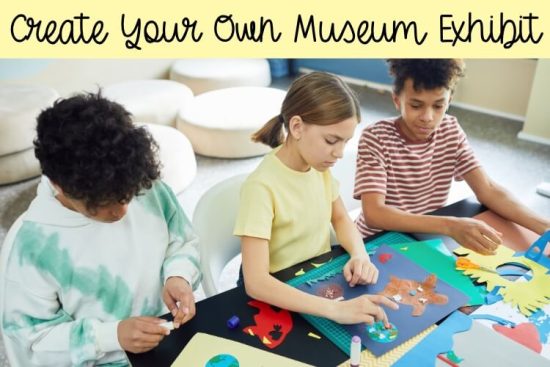
One of the most engaging and collaborative end of year science activities is having students create their own mini science museum exhibit. This project taps into student creativity, reinforces content knowledge, and gives them a chance to take ownership of their learning in a hands-on and meaningful way.
Each student (or small group) selects a science topic they’ve learned about this year—anything from photosynthesis to black holes to the water cycle—and transforms it into an interactive exhibit piece. Their final display should include:
- An informational poster or tri-fold board with key facts, visuals, and vocabulary
- A simple hands-on model or demonstration, ideally built from recycled or low-cost materials
- A short written or spoken guide explaining their topic to visitors, as if they were museum docents
This project easily stretches across 3–5 class periods, from research and planning to building and presentation. You can finish with a “museum walk,” where students tour each other’s exhibits and leave feedback, or even invite other classes to visit.
As far as end of year science activities go, this one checks all the boxes: it’s independent, standards-based, low prep for you, and memorable for students. Plus, it turns your classroom into a science showcase just in time for the final countdown to summer.
4. Rube Goldberg Machine Challenge
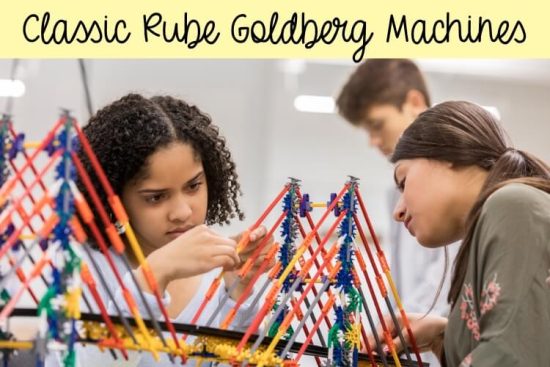
Few end of year science activities are as hands-on, creative, and purely fun as building a Rube Goldberg machine. Challenge your students to design and build a complex, multi-step machine that completes a very simple task—like popping a balloon, flipping a light switch, or dropping a pencil into a cup.
Set some basic rules (for example, the machine must have at least 5–7 steps and use materials found around the house or classroom) and let students plan, test, and tweak their designs over several days. They can work solo or in small teams, and at the end, you can host a showcase where everyone demonstrates their contraptions.
Not only does this project tap into physics, engineering, and problem-solving skills, but it also encourages patience, creativity, and persistence—everything we want to leave our students with before they head into summer.
Bonus: It’s ridiculously fun to watch their final machines in action! You can grab all the lesson materials you need for free on the Teach Engineering website.
5. Concept-to-Poster Project

One of the simplest and most effective end of year science activities? A good old-fashioned poster project. Students choose a science concept they’ve learned this year—anything from the water cycle to Newton’s laws to the parts of a cell—and create an eye-catching, informative poster to teach it to others.
Encourage them to include:
- A clear title and main idea
- Diagrams or illustrations
- Key vocabulary and definitions
- Real-world examples or applications
You can make it more interesting by assigning each student a different topic, or by turning it into a “gallery walk” where students hang up their posters and leave sticky note feedback for each other.
It’s a nice mix of content review and creativity, and it gives students a tangible product they can be proud of. Plus, your classroom walls will get an instant end-of-year glow-up!
If you wrap up the year with astronomy like I do, chances are you’re diving into space exploration. My ready-to-use Space Exploration Poster Project is a great way to keep students engaged with a creative, end-of-year activity that reinforces key concepts while giving them room to explore beyond the textbook.
Hang in there!
These end of year science activities are long enough to carry you through the final weeks without endless worksheets or busywork. They’re low-prep, easy to scaffold, and give students room to be creative, independent, and proud of their work before they walk out your door.
And hey—you deserve to coast a little too after all the testing madness.
-
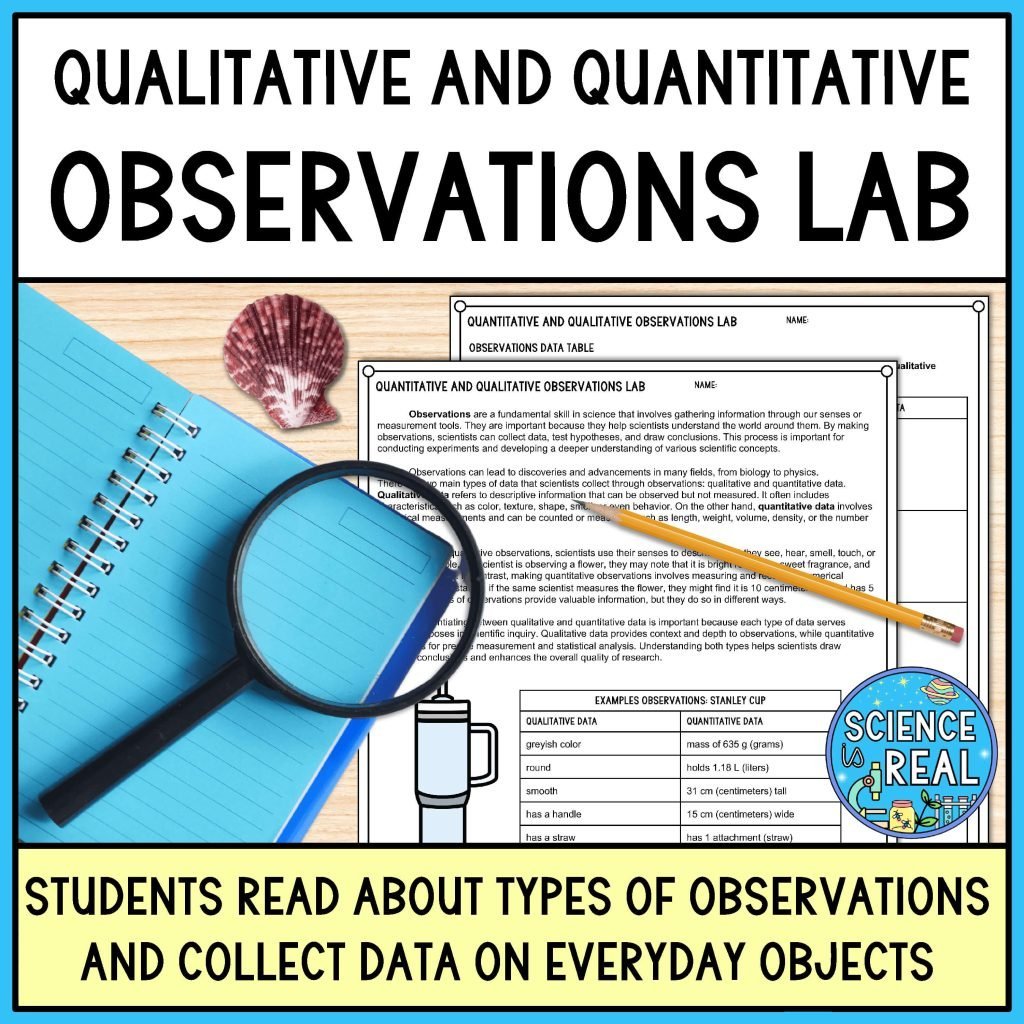
Qualitative and Quantitative Observations Lab
$3.99 -
Biology Review Boom Cards – Biology Final Exam Review Task Cards
Original price was: $29.99.$24.99Current price is: $24.99. -
6 No-Prep Science Sub Plans for ANY Science Topic
$5.99 -

Cricket Chirp Scientific Method Webquest
$4.99