As science teachers, we all encounter students who struggle with meeting certain standards or grasping complex topics. I know how disheartening it can be to see students fall behind, but it’s important to remember that science remediation is a powerful tool to help them succeed.
Science remediation isn’t just about reteaching material—it’s about giving students the targeted support they need to fill gaps in their knowledge and build the confidence to tackle science concepts head-on.
Identifying which students need science remediation often starts with effective formative assessments. I frequently use quizzes, exit tickets, and in-class assignments to gauge my students’ understanding of the material. These low-stakes assessments allow me to catch misunderstandings early before they compound into larger learning gaps.
When students miss key questions or perform inconsistently, that’s my signal to intervene with targeted science remediation strategies. In this post, I’ll share some of the methods I’ve found most effective in helping struggling students reach science proficiency.
1. Vocabulary Intervention Activities
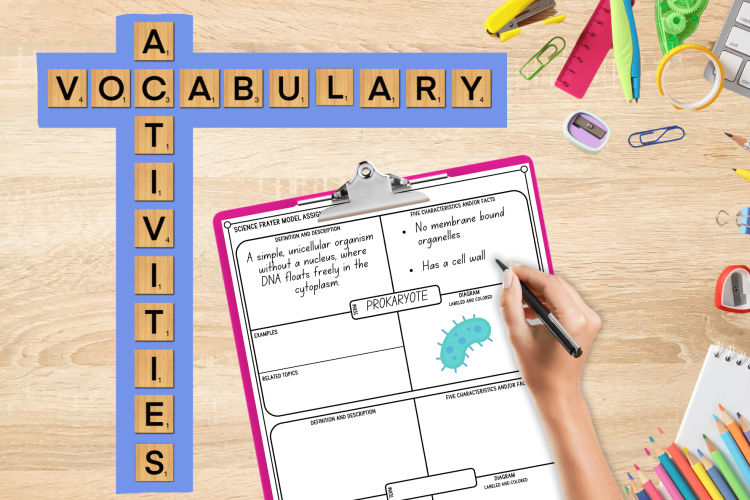
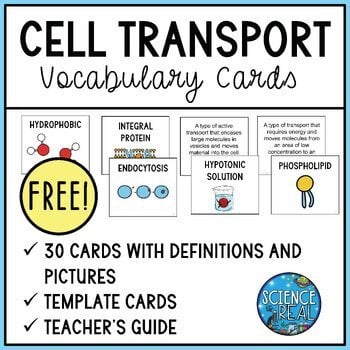
In science, understanding key vocabulary is essential for success. Often, students struggle not because they don’t grasp the concept but because they don’t understand the terminology. I combat this with targeted vocabulary intervention.
Learn quick strategies on how to save time using ChatGPT for boosting science vocabulary comprehension and retention in my blog here.
I use strategies like flashcards, word walls, and interactive vocabulary games. For instance, when teaching biodiversity, I focus on breaking down terms like “genetic diversity,” “species diversity,” and “ecosystem services.” I also have students create their own definitions, examples, and drawings of terms to reinforce comprehension.
How to implement:
- Identify key terms from units where students show gaps in understanding.
- Create vocabulary activities like crossword puzzles, flashcards, Frayer models, or matching games.
- Reinforce the words through interactive classroom discussions and hands-on activities.
2. Webquests for Science Remediation
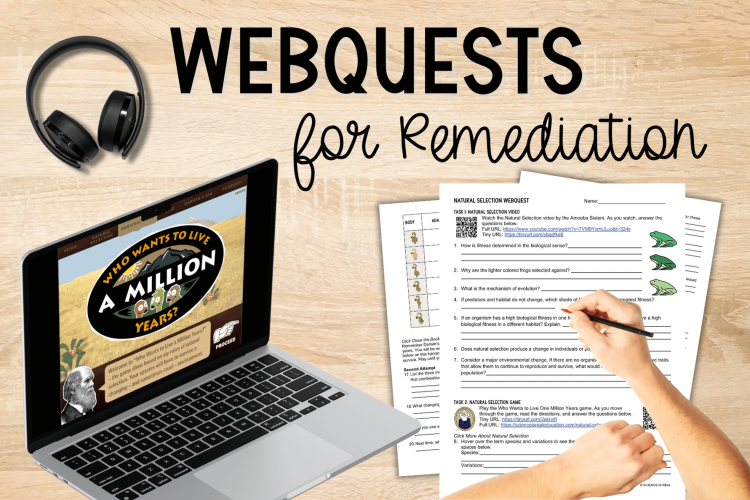
Webquests are an effective science remediation strategy because they encourage inquiry-based learning while guiding students through research and exploration of key concepts. They can be used to help struggling students dive deeper into topics and make connections between scientific principles and real-world applications.
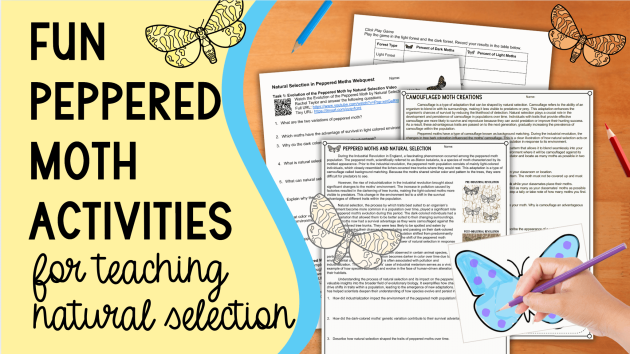
When students have difficulty grasping topics like natural selection or the weather fronts, I assign webquests that include interactive websites, videos, and structured questions. This allows them to learn at their own pace while receiving exposure to various forms of media.
How to implement:
- Design or select webquests that target specific content gaps identified through formative assessments.
- Provide clear instructions and guiding questions to keep students focused.
- Include a reflection or follow-up activity where students summarize their findings and apply them to new scenarios.
I offer over sixty high-quality, engaging, and editable science webquests for almost any topic in my shop! Ready-to-go remediation!
3. Science Stations

Stations are one of my favorite science remediation techniques because they provide students with multiple ways to engage with the material. I design stations around different modalities—one might involve reading comprehension, another a hands-on experiment, and another an interactive game or video.
For example, in a scientific method review, I might create four stations: one with a graphic organizer, another with a very simple lab, one with vocabulary matching, and the last with comprehension questions from a reading passage. Students rotate through each station, gaining a well-rounded understanding of the topic.
You can find a variety of stations activities in my shop here.
How to implement:
- Set up 3-4 stations that cover different aspects of the topic in various formats.
- Use formative assessment results to determine which students need science remediation and which stations they should prioritize.
- Include self-check activities or answer keys at each station to encourage independent learning.
4. Graphic or Concept Mapping Activities

Visual learners benefit tremendously from organizing their thoughts through graphic organizers or concept maps. These tools help students break down complex processes, such as the steps of meiosis or the stages of ecological succession.
When I teach macromolecules, I often have students create a macromolecules concept map outlining the types, functions, and examples of carbohydrates, proteins, lipids, and nucleic acids. By organizing information visually, they not only review the material but also see how the different macromolecules interconnect and support life processes, which helps with long-term retention.
How to implement:
- Provide a partially completed graphic organizer or template for students to fill in.
- Encourage students to collaborate and discuss connections as they work.
- Use the completed maps as a study tool or formative assessment to check comprehension.
5. Digital Learning Tools for Self-Paced Practice
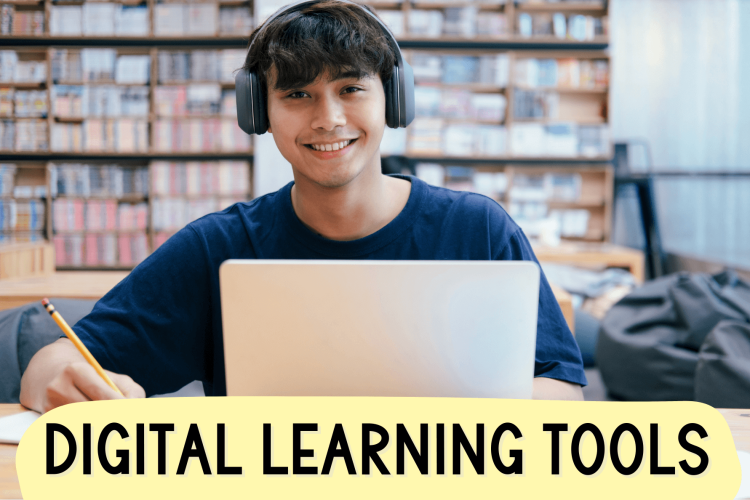
Incorporating digital learning tools is a game-changer for students. Self-paced platforms allow students to revisit lessons at their own speed and review material they may have missed the first time. I recommend using platforms like Khan Academy, Boom Cards, or Nearpod that provide interactive simulations, practice exercises, and immediate feedback.
When I notice students struggling with a complicated topic like protein synthesis, I assign them specific online modules to review key terms, watch guided animations, and complete follow-up quizzes. The best part is that digital tools track their progress, giving me data on where they improved and where they still need support.
How to Implement:
- Identify specific content areas where students are underperforming based on formative assessments.
- Assign self-paced lessons that include videos, interactive exercises, or virtual labs.
- Monitor progress through built-in analytics and offer additional support where needed.
6. Analyzing Test Errors and Error Reflection

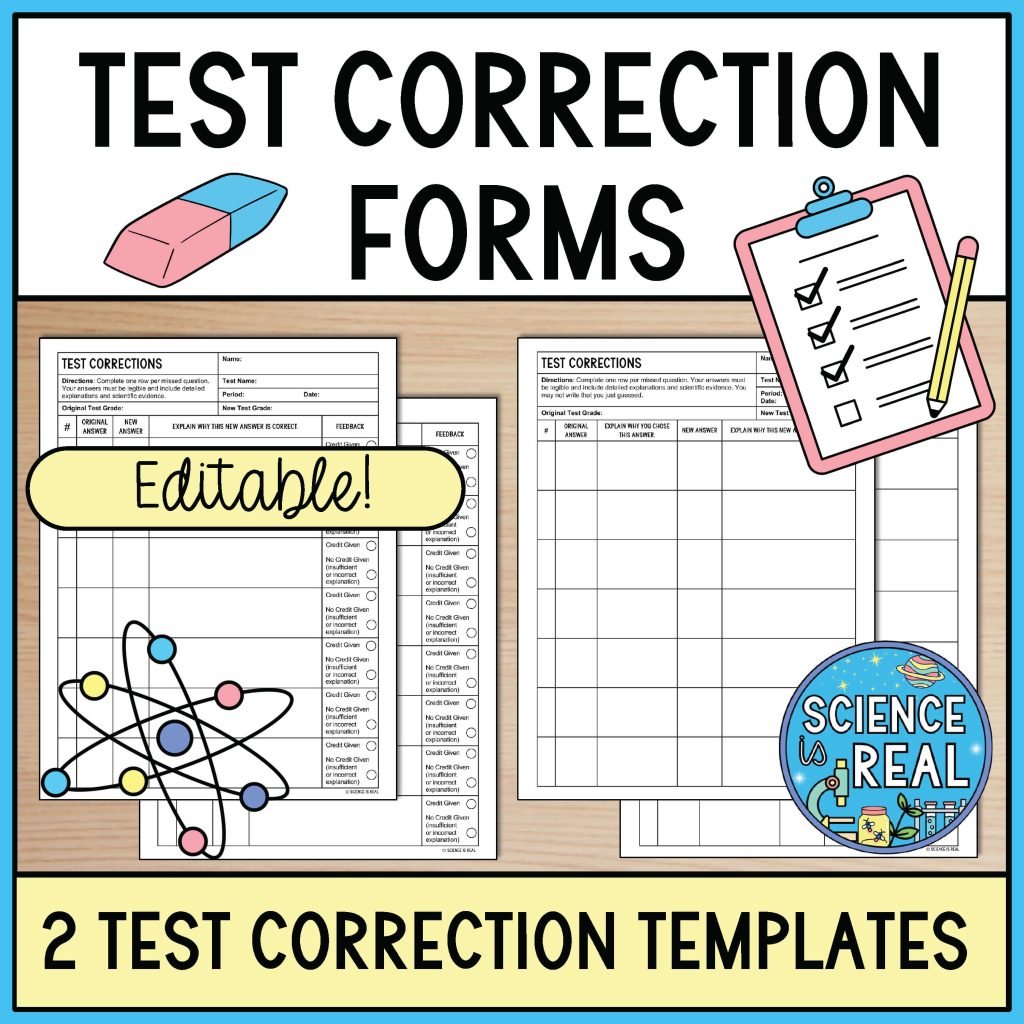
After every major assessment, I incorporate an error analysis activity. This isn’t about making students feel bad for their mistakes—it’s about helping them learn from them. I hand back their tests along with an error reflection worksheet where they identify incorrect answers, explain why they chose them, and research the correct answers.
This strategy is particularly useful for addressing misconceptions and preventing repeated errors. For example, when students struggle with Kepler’s Laws of Planetary Motion, I ask them to analyze incorrect answers on their quiz and revisit specific lesson materials or worksheets for clarification.
How to implement:
- Provide students with their graded tests and an error reflection form. You can download a free and editable version of my test correction form here.
- Have them categorize errors (e.g., misunderstanding vocabulary, incorrect process steps).
- Guide them to review notes, watch tutorial videos, or meet with you for further clarification.
This test correction form guides students to:
- Reflect on Incorrect Answers
- Justify and Correct Mistakes
- Use Scientific Evidence for Explanations
- Build Critical Thinking Skills
- Perfect for Test Reviews and Remediation
7. Break Down Summative Tasks into Manageable Steps
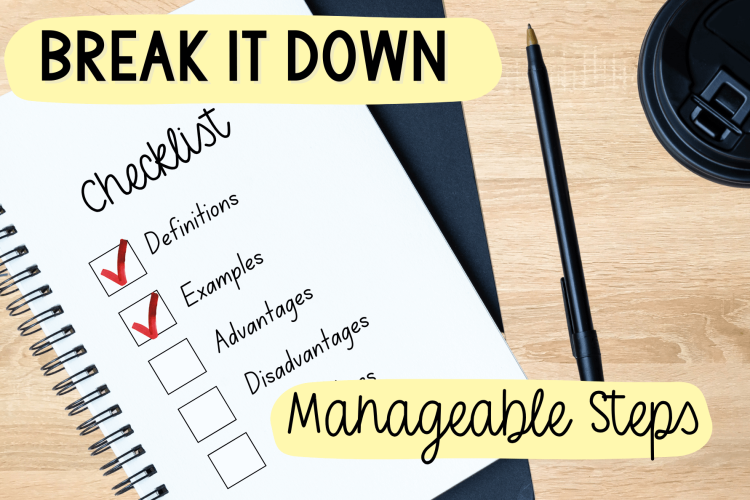
Large projects and assessments can be overwhelming for students who are already struggling. I’ve found that breaking these tasks into smaller, more manageable chunks makes a huge difference.
When assigning a renewable energy project, for example, I break it into sections: the difference between renewable and nonrenewable energy, analysis of the pros and cons of different types of renewable energy, and a final presentation. Students complete one section at a time, receiving feedback before moving on to the next. This scaffolding approach builds confidence and ensures that they don’t get stuck or lost along the way.
How to implement:
- Divide large assignments into smaller, structured tasks with clear deadlines.
- Provide a checklist or timeline to help students stay on track.
- Offer feedback after each step to correct misconceptions early.
8. Reading Comprehensions for Science Remediation

Reading comprehension activities are an excellent science remediation tool for students who struggle with understanding scientific texts or applying what they read to real-world problems. These activities not only help students improve their literacy but also reinforce important content knowledge in subjects like biology, chemistry, or Earth science.
When I notice that students are having trouble with scientific processes or terminology, I assign reading passages with structured comprehension questions. For example, during a lesson on genetic drift and gene flow, I provide a genetic drift reading comprehension, followed by questions requiring students to summarize, analyze, and apply what they’ve learned.
How to implement:
- Choose readings that are aligned with the areas where students show gaps in knowledge.
- Use guided questions, such as identifying key ideas, summarizing paragraphs, or applying the information to scenarios.
- Incorporate follow-up activities, like a CER activity or a short discussion, to reinforce understanding.
This strategy is especially useful because it integrates literacy with content review, giving students multiple opportunities to practice and apply their learning.
???? Final Thoughts
Science remediation is about meeting students where they are and guiding them toward where they need to be. By using targeted strategies like digital tools, stations, graphic organizers, error reflection, vocabulary intervention, and scaffolding, we can give our students the tools they need to succeed in science.
Remember, science remediation isn’t about repeating the same lessons—it’s about giving students tailored, meaningful opportunities to learn and grow.
What are some of your go-to science remediation techniques? I’d love to hear your thoughts in the comments or via email!