Who said learning science can’t be fun? If you’re a teacher or a student who’s tired of the same old methods, it’s time to think outside the box—or maybe inside the lines. Color by number, that childhood favorite, is making a comeback, and it’s not just for kids anymore. It turns out science color by number activities can be a game-changer in secondary school science classes. Here’s how.
????️ Making Complex Stuff Simple

Science can get pretty complicated! Think about all those cell structures, chemical reactions, and ecosystems. Science color by number activities can break these down into something easier to digest. Imagine coloring different parts of a cell—each color representing a different organelle. Suddenly, remembering what each part does and where it is becomes a lot easier. It’s like turning a textbook diagram into a puzzle you can solve with colored pencils.
I am a huge fan of color by numbers science activities with a purpose! Students get much more by coloring REAL diagrams than another mandala or unrelated picture.
- Reinforce key concepts through visual and kinesthetic learning
- Keep students focused and engaged while reviewing content
- Provide a low-stress, high-retention way to study
- Support students of all learning styles, especially visual learners
- Make review days, sub plans, or early finisher work meaningful
????️ Keeping It Engaging
Let’s face it, staring at a whiteboard filled with diagrams can get boring. But give students a science color by number activity, and suddenly, they’re part of the action. Coloring isn’t just fun; it’s also a way to stay focused and engaged. When you’re actively participating, whether you’re coloring the periodic table or mapping out ecosystems, you’re more likely to remember the details.
Biomes Color By Number and Reading
I love using this Biomes Color-By-Number activity because it’s the perfect mix of creativity and content! Students aren’t just coloring—they’re reading, mapping, and thinking critically about Earth’s major biomes. It’s one of those lessons that feels fun but still checks all the boxes for rigor, engagement, and standards alignment.
Why teachers love it:
- Includes a full lesson plan and pacing guide aligned to NGSS
- Combines reading comprehension + color-by-number mapping for active learning
- Covers 7 major terrestrial biomes with clear visuals and directions
- Adds a mini-project for student choice and creativity
- Perfect for intro lessons, review days, or sub plans
- Comes with answer keys and a detailed teacher guide—no prep required!
-

Biomes Color By Number
$4.99
????️ Accommodate Different Learning Styles

Not all students learn the same way! Science color by number activities help both visual learners who need to see concepts and kinesthetic learners who learn by doing. They make it easier for more students to have those “aha” moments when everything finally clicks.
How they work:
- Blend visuals and action for deeper understanding
- Turn review into an interactive experience
- Help students connect abstract ideas to real science
CELL MEMBRANE COLOR BY NUMBER
In this science color by number activity, students read about the cell membrane, color a detailed diagram, and answer questions to connect structure and function. The finished page doubles as beautiful notes and a quick assessment tool.
Teacher favorites:
- Combines reading, labeling, and coloring for active learning
- Creates visual notes students can reference later
- Makes assessment feel creative and low-stress

????️ Paying Attention to Details

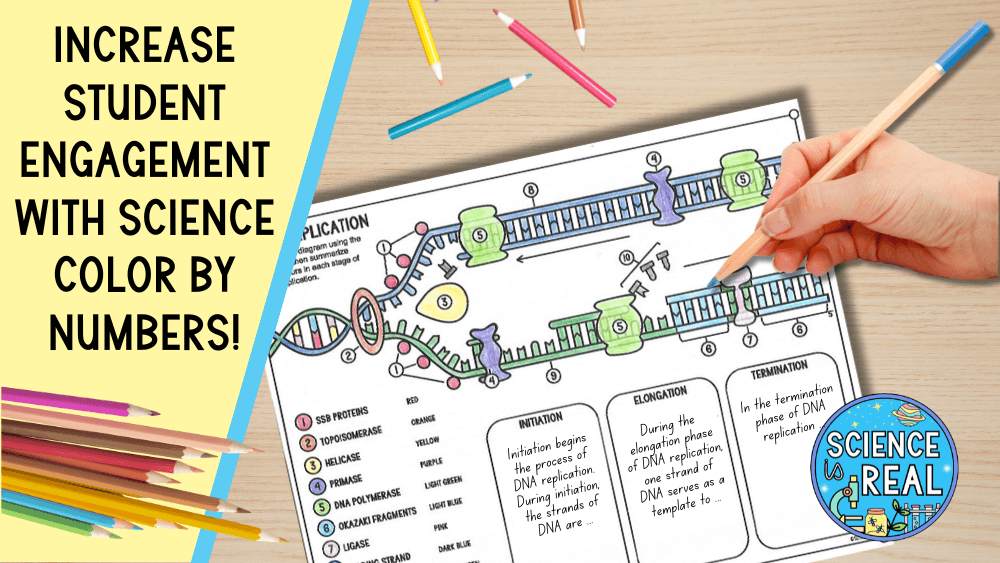
Science is all about the details, and science color by number activities help students sharpen their observation skills. When coloring diagrams like DNA, they learn to notice key structures and patterns—building precision that carries into labs and experiments.
Skill-building benefits:
- Strengthens attention to detail and accuracy
- Reinforces scientific vocabulary and labeling
- Builds habits of careful observation and analysis
DNA Replication Color By Number
In this DNA replication color-by-number activity, students learn about enzymes and processes, color a replication diagram, and answer follow-up questions to reinforce understanding. Everything you need for a complete, ready-to-go lesson is included!
What makes it great:
- Simplifies a complex process through visuals
- Encourages active learning and comprehension
- Includes answer keys for easy grading and review

????️ Making Learning Fun and Relaxing

Science can be stressful, especially with all the complex stuff students have to learn. Science color by numbers add a bit of fun and creativity into the mix. It’s a great way to unwind while still learning. Coloring can be calming, and a relaxed mind is more open to new information. Plus, it makes the classroom a happier place to be!
IDEAS FOR SCIENCE Color by Number Activities
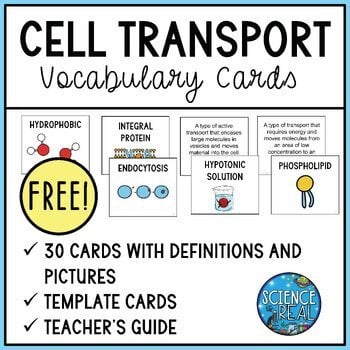
- Cell Biology: Color-code different cell parts to learn what each one does. Have you gotten your free cells coloring pages yet? Grab them free here!
- Anatomy: Use color to identify different systems in the human body like the muscles or bones.
- Ecology: Create colorful diagrams of food webs and ecosystems to see how everything’s connected.
- Chemistry: Differentiate elements and compounds with colors to better understand the periodic table or chemical reactions.
- Earth Science: Use color to highlight different geological features or weather patterns. Check out this fun weather map activity here!
????️ Free Science Color By Number Activities from Around the Web
- Color Me PhD: ColorMePhD is a free all-ages coloring book series for students, educators, and scientists to engage with current PhD level research in science and engineering.
- Museum of Natural History Coloring Books: A collection of fun and scientific coloring pages that span many science topics.
- Education.com Printable Science Coloring Pages: A selection of free science color by number activities and worksheets.
Here’s MY Students’ Favorite Coloring Activity! (And it’s not color by number)

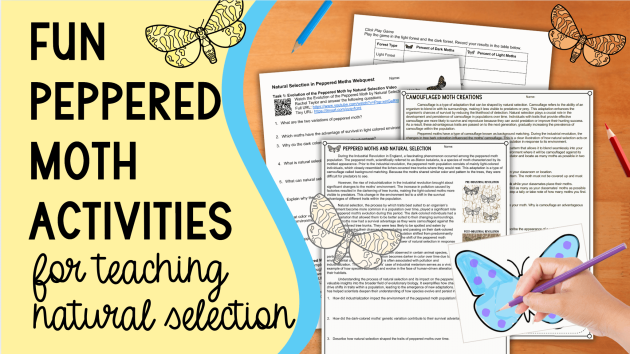
Peppered Moth Camouflage Lab
This Peppered Moth Camouflage Lab is one of those evolution lessons your students will never forget! It’s hands-on, low-prep, and full of “aha” moments as students see natural selection in action. They’ll learn how camouflage, adaptation, and environmental change drive evolution—all while having a blast hiding and hunting moths around the classroom. Get a closer look here.
Why teachers love it:
- Brings natural selection to life through a fun predator-prey simulation
- Includes a 1-page reading with questions to introduce key concepts
- Students color, hide, and hunt camouflaged moths for an unforgettable activity
- Comes with 2 printable versions, a Google Slides link, and an answer key
- Perfect for introductions, extensions, or sub plans in your evolution unit
???? Wrapping Up
Color by number isn’t just a fun throwback to your childhood; it’s a powerful learning tool that can make science more accessible and enjoyable for secondary students. By making complex topics simpler, engaging students actively, catering to different learning styles, and adding an element of relaxation, color by number can transform the science classroom. So next time you’re planning a lesson, why not add a splash of color? You might be surprised at how much it can help!