
I love adding Halloween science activities into my middle and high school classroom because they keep students engaged and make the season so much more fun. In this post, I’m sharing a mix of my favorite spooky Halloween science activities and a few of my own resources.
Whether you’re looking for a no-prep handout, a quick classroom activity, or just some fun Halloween science experiments to bring into your middle or high school lessons, these ideas will help you add a spooky spark to your teaching this fall.
Halloween Glow Stick Science Activity

One of my favorite quick Halloween science activities is the classic glow stick experiment. Just snap a few glow sticks and drop them into cups of hot and cold water. Students instantly notice that the glow sticks in hot water shine brighter while the ones in cold water glow dimmer. It’s such a simple way to hook them into talking about chemical reactions, and it sets the perfect spooky mood for class.
The science behind it is all about how temperature affects reaction rates. Glow sticks work through a chemical reaction called chemiluminescence, which produces light without heat. In hot water, molecules move faster, so the reaction speeds up and the glow is brighter, but shorter-lived. In cold water, the molecules slow down, so the glow is dimmer but lasts longer. You can have students record their observations in a quick data table, compare brightness and duration, and even sketch what they see to connect visuals with the science concept.
Halloween Science Reading Comprehension and Worksheets
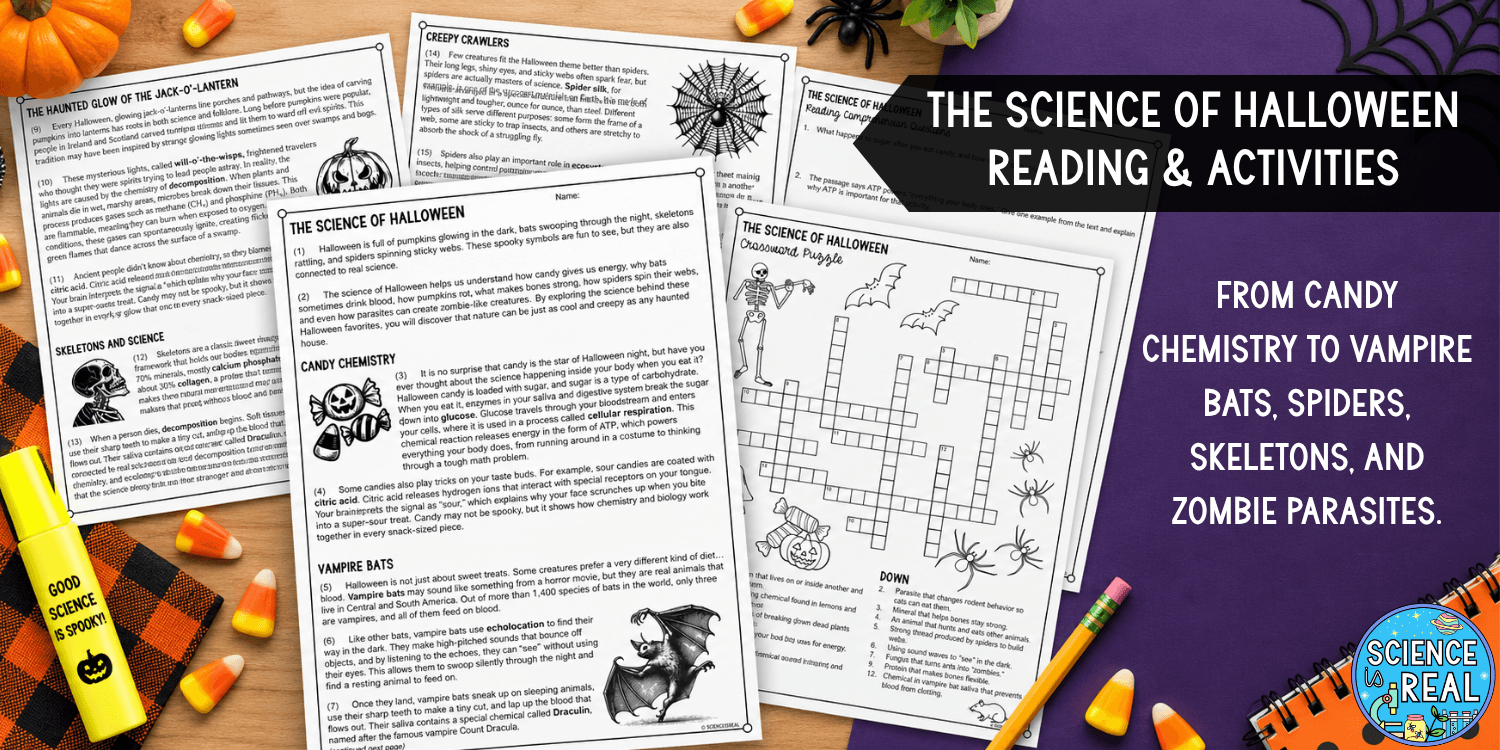
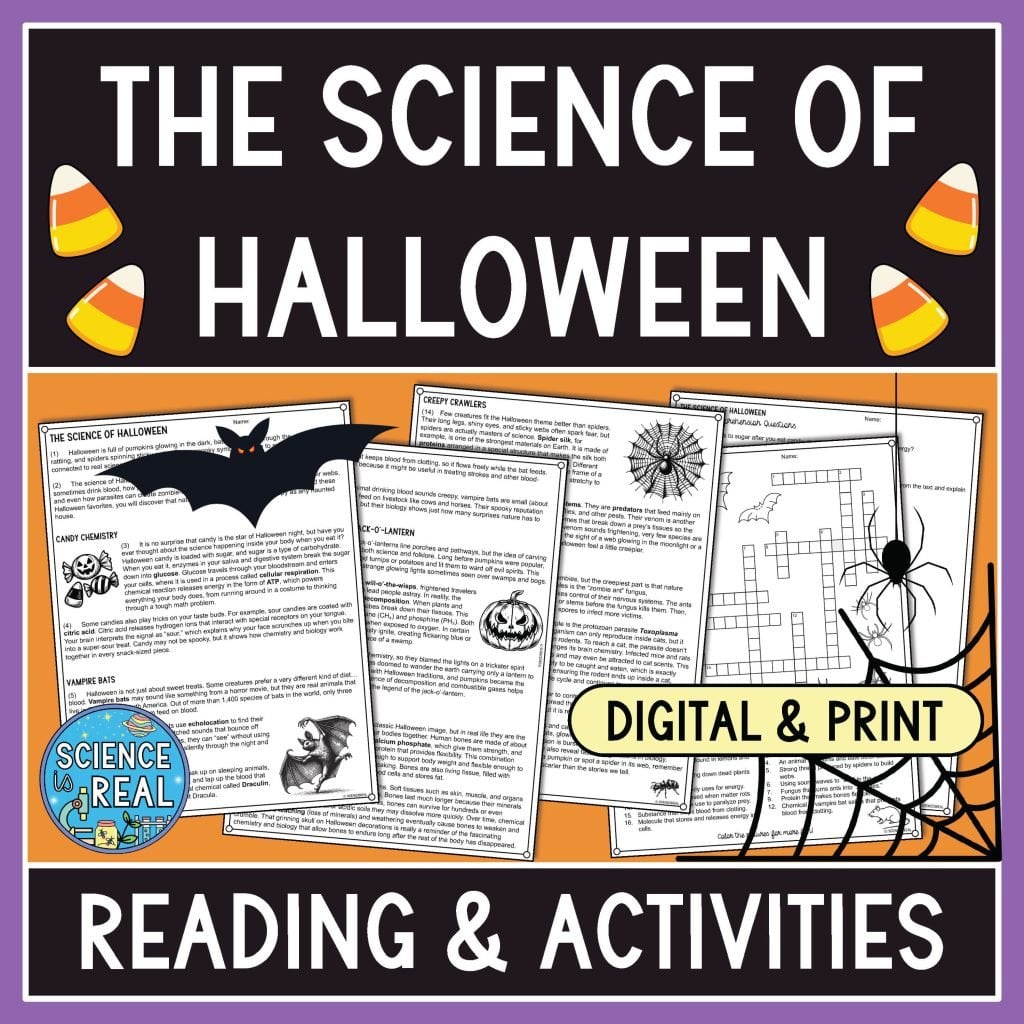
This Halloween Science Reading Comprehension explores the real science of Halloween and has quickly become a student favorite. It connects core science concepts to fun seasonal themes like candy chemistry, vampire bats, pumpkin decomposition, skeleton biology, spider silk, and even zombie parasites. Students love discovering how spooky traditions can be explained through real-world science.
This Halloween science activity comes with two versions so you can choose what works best for your classroom. The guided reading version breaks the article into smaller chunks with questions after each section, which helps students process as they go. The traditional version gives them the whole passage with questions at the end – perfect for calm, independent practice.
It’s an easy, no-prep way to sneak in reading comprehension skills while keeping your middle and high school students engaged in October. Plus, I’ve included a bonus Halloween crossword and coloring page you can use for early finishers or as a fun wrap-up activity.
-
Halloween Science Reading Comprehension and Worksheets
Original price was: $5.49.$4.49Current price is: $4.49.
Fun Halloween Science Activities: Color by Number Freebies
Sometimes you just need an activity that is fun, low-stress, and still keeps kids doing science. That is why I created my Halloween Science Color by Number Freebie. It blends seasonal fun with real science practice, and my middle and high school students always ask for more once they get started.
The best part is that it keeps students focused on science even when they are buzzing from Halloween candy. While they color pumpkins, ghosts, and skeletons, they are also answering science questions and reviewing key concepts.
To make it even more flexible, I included three different versions of these Halloween science activities: life science, chemistry, and earth science. That way you can pick the one that fits your class best and keep students engaged no matter what subject you teach. It is a simple way to channel sugar-fueled energy into something productive while still keeping the Halloween spirit alive.
Make Halloween Slime

Nothing says spooky season like stretchy, gooey slime. Making slime is a simple and fun Halloween science lab that doubles as a hands-on chemistry lesson. Here’s an easy recipe to try with your students:
Materials
- 1 cup white school glue (like Elmer’s)
- 1 cup water
- 1 teaspoon borax powder
- 1 cup warm water
- Food coloring (green, purple, or orange are great for Halloween)
- Optional: glitter, googly eyes, or plastic spiders for extra fun
Instructions
- In one bowl, mix the glue with 1 cup of water until combined. Stir in a few drops of food coloring.
- In another container, dissolve 1 teaspoon of borax in 1 cup of warm water. Stir until it is fully dissolved.
- Slowly add the borax solution to the glue mixture, stirring as you go. The slime will begin to form almost immediately.
- Knead the slime with your hands until it reaches the desired consistency. If it is too sticky, add a little more borax solution.
The Science
Slime is a perfect way to show students how a polymer works. The glue contains long chains of molecules (polymers), and the borax acts as a cross-linker, connecting those chains together. The result is a stretchy, gooey substance that behaves like both a liquid and a solid.
Halloween Science Activities: Halloween Candy Cladograms
Put all that Halloween candy to scientific use! In this hands-on Candy Cladograms Lab, students compare the characteristics of different candies, organize their observations in a trait table, and use those shared traits to construct a simple cladogram.
It’s an easy way to bring a little Halloween fun into an evolution or classification unit without sacrificing meaningful science content. Students get practice with cladistics, shared characteristics, trait tables, and branching diagrams while working with familiar candy instead of unfamiliar organisms.
The included lab uses a Dum Dum, Starburst, peppermint candy, and Jolly Rancher, but the activity is editable, so you can swap in Halloween candy you already have on hand. You could even let students choose four candies from a Halloween assortment and create their own candy cladogram.
The resource also includes a 13-slide cladograms presentation, student notes, editable lab handouts, answer keys, and a non-candy version for classrooms where food isn’t practical.

Pumpkin Decomposition Lab

Nothing says Halloween like a rotting pumpkin, and this one of those classic Halloween science activities that turns a gross mess into meaningful science. Instead of waiting weeks for a whole pumpkin to break down, try cutting one into equal-sized chunks and placing them in different conditions. Put one in the sun, one in the shade, one sealed in a bag, and one in the fridge. Have students predict which piece will decompose the fastest, then check in regularly to record changes in smell, texture, and mold growth.
If you want to take it a step further, you can also set aside a whole pumpkin and let students watch its full life cycle over the course of the school year. It takes longer, but it’s a great way to see decomposition from start to finish and connect back to nutrient cycling in ecosystems.
Make a Pumpkin Puke
f you really want one of those Halloween science activities that wow your students, try turning a pumpkin into a bubbling, oozing cauldron. This simple demo combines the fun of pumpkin carving with a classic chemical reaction. All you need is a carved pumpkin, a little hydrogen peroxide, dry yeast, warm water, dish soap, and food coloring.
Carve a jack-o’-lantern ahead of time (or let your students help if you have time). In a separate cup, mix warm water with a packet of yeast. Inside the pumpkin, pour in about half a cup of hydrogen peroxide, a squirt of dish soap, and a few drops of food coloring. When you add the yeast solution, the reaction kicks in and thick, foamy bubbles ooze right out of the pumpkin’s mouth. Students love watching it overflow, and you can repeat the reaction by refilling the “ingredients” as needed.
The science behind the ooze is the same as the popular “elephant toothpaste” demo. The yeast speeds up the breakdown of hydrogen peroxide into water and oxygen. The dish soap traps the oxygen, creating bubbles that pour out like foamy pumpkin guts. It’s messy, it’s gross, and it is a guaranteed crowd-pleaser for Halloween week. Read more about the oozing pumpkin lab from the Steve Spangler website here.
Halloween Science Activities: Candy Chromatography

If your students come back loaded with candy, this is the perfect way to turn their sugar stash into science. Candy chromatography lets them see the hidden dyes in their favorite Halloween treats, making it one of the easiest and most colorful Halloween science activities.
To try it, place a drop of dissolved candy dye (from Skittles, or M&Ms) onto a strip of filter paper or a coffee filter. Set the bottom of the strip in a shallow dish of water and watch as the colors separate and travel up the paper. Students are always amazed when a single color, like green or brow, breaks apart into a rainbow.
This quick lab introduces chromatography, the science of separating mixtures, in a way that feels festive and hands-on. It is a simple way to bring Halloween fun into your classroom while still hitting real science content. You can find more information about this lab and more Halloween science activities on the Science Buddies blog here.
Wishing You More Treats Than Tricks This Halloween
Halloween is one of those times when students are equal parts excited and distracted, so why not lean into the chaos with a few Halloween science activities that keep them learning while still having fun? Whether it’s oozing pumpkins, candy experiments, or just a good old-fashioned reading comprehension, these ideas can help you survive October without losing your sanity.
Now go forth, stock up on candy corn, and may your students make the best memories this October. Happy Halloween and Happy Sciencing!

More Fun Seasonal Science Activities
-
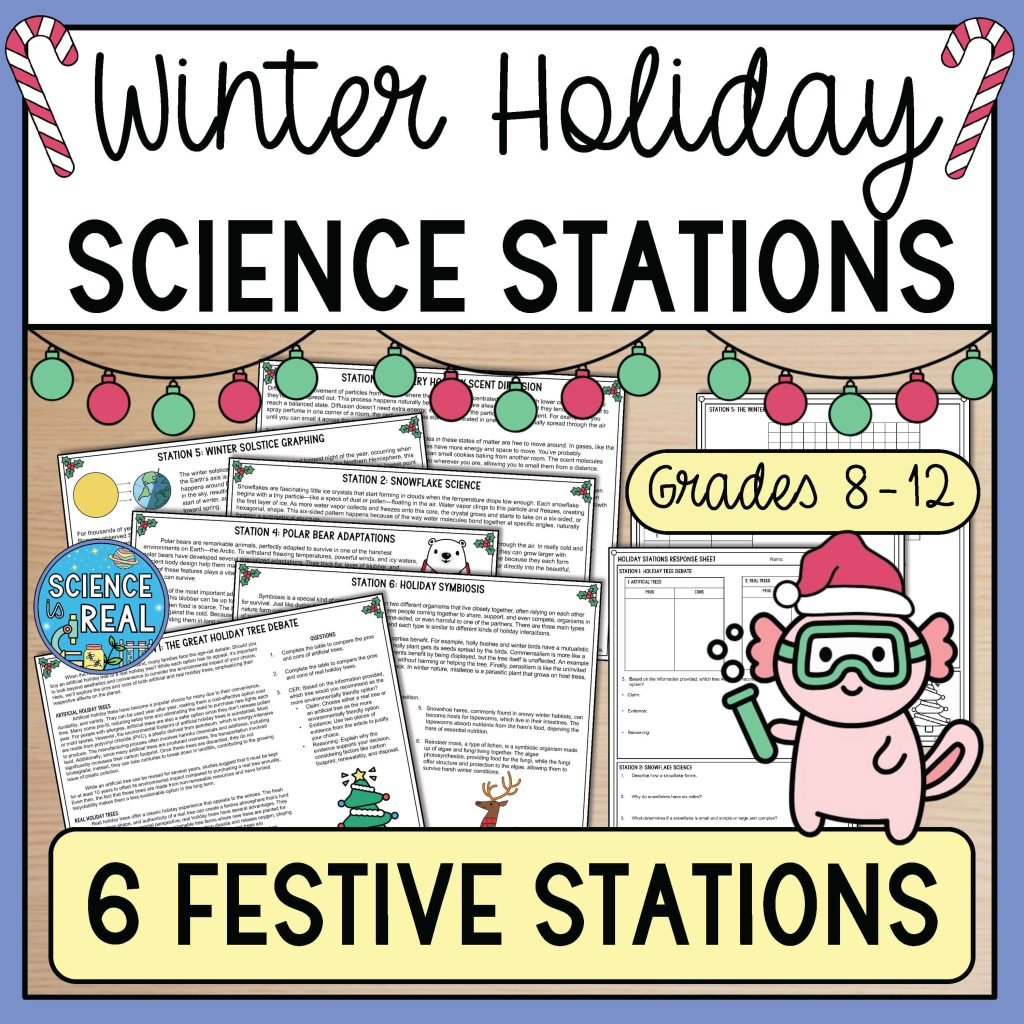
Winter Holiday Science Stations
$5.99 -
Halloween Science Reading Comprehension and Worksheets
Original price was: $5.49.$4.49Current price is: $4.49. -
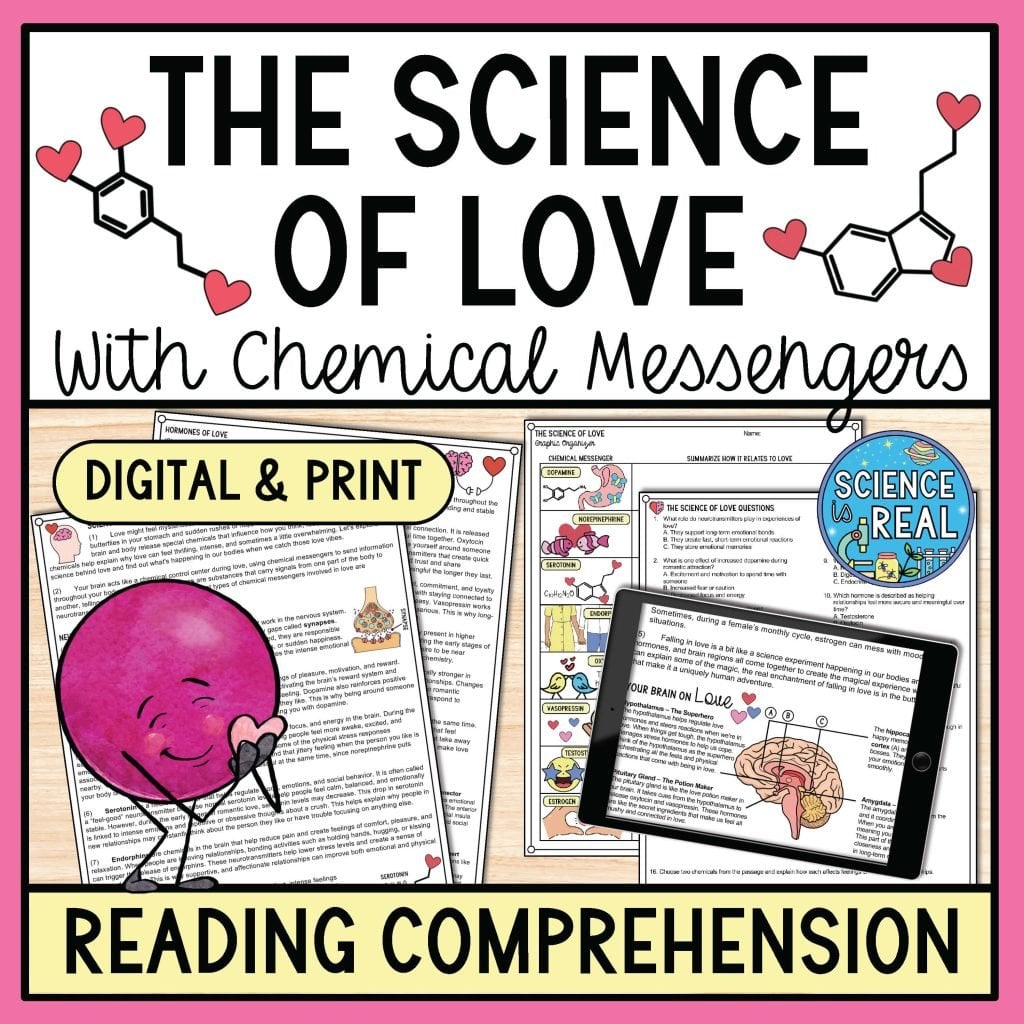
Science of Love Reading Comprehension – Valentine’s Day Science
$4.99 -
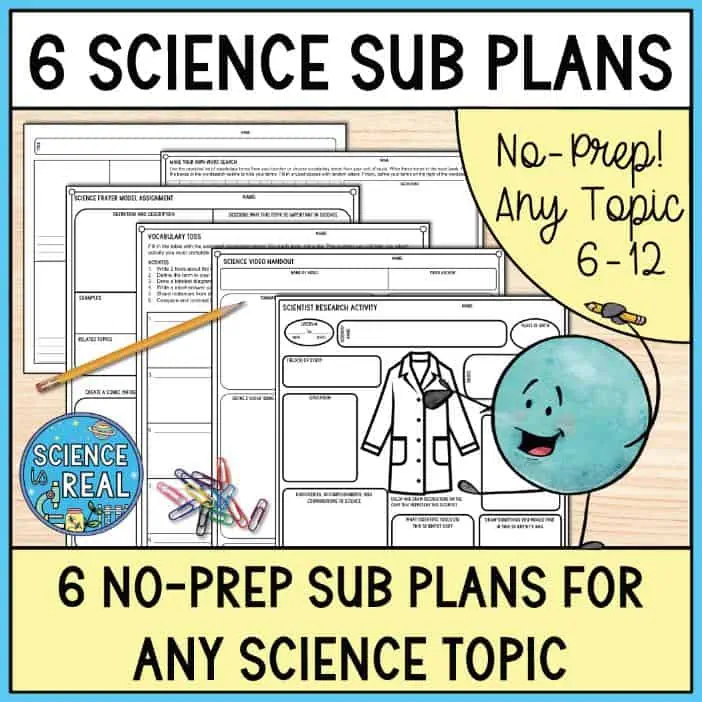
6 No-Prep Science Sub Plans for ANY Science Topic
$5.99